Projects
Business Automation: What it is and why your company needs it
Business automation is no longer a futuristic trend. It is a genuine necessity for companies looking to grow, optimize resources, and stay competitive in an increasingly digital environment.
But what does automating a business really mean? Is it just about using software, or does it go much further?
Business automation is the process of implementing technology to automatically execute tasks, processes, and workflows, reducing manual intervention and increasing operational efficiency. It’s not simply about “using digital tools,” but integrating systems that optimize repetitive processes, reduce human error, improve response times, centralize information, and make data-driven decisions. Automating is transforming the way your company operates.
A company can automate multiple areas regardless of its size. In marketing and sales, for example, you can automate email campaigns, lead follow-ups, ad management, auto-replies on social media or WhatsApp, and conversion funnels. In customer service, it’s possible to implement chatbots, ticketing systems, automated responses, and satisfaction surveys. In the financial and administrative area, automation enables electronic billing, inventory control, automatic report generation, and payroll management. Even internal operations can have automated approval workflows, task tracking, and productivity monitoring.
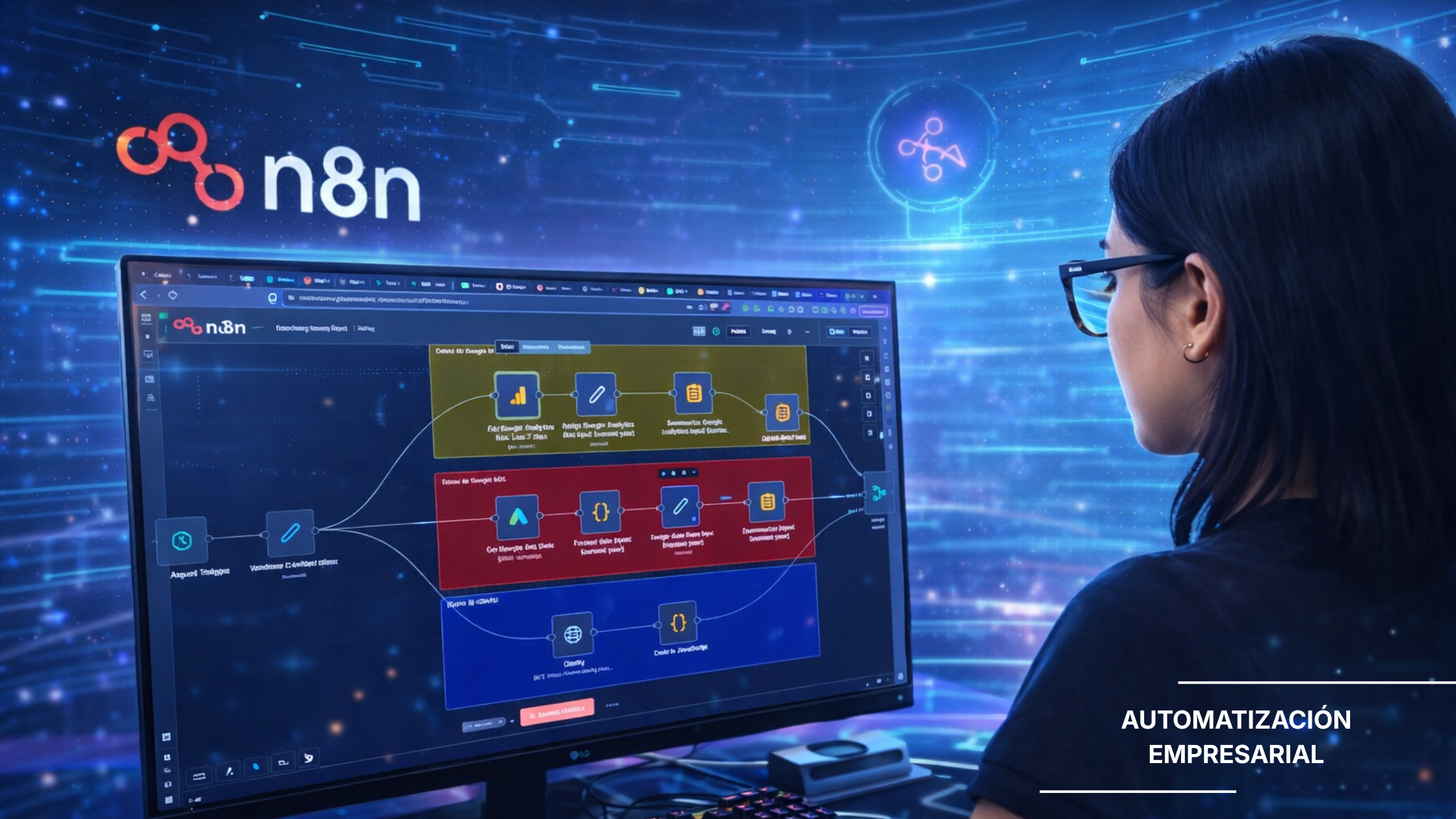
Implementing business automation generates real and measurable benefits. The first is time-saving, as repetitive tasks are executed automatically, reducing the team’s operational load. It also decreases human errors, especially in processes that require constant precision. Productivity increases because the team can focus on strategic activities rather than operational ones. It improves the customer experience thanks to faster responses and more agile processes. And it allows the business to scale without operational costs growing at the same rate.
Many companies already need automation, but haven’t identified it. Some clear signs are teams overwhelmed with repetitive tasks, loss of clients due to lack of follow-up, processes that rely too heavily on a single person, absence of clear performance metrics, or constant delays in attention and execution of activities. If these scenarios are frequent, automation ceases to be an option and becomes a strategic decision.
It is important to understand that automating does not mean replacing people. Technology executes mechanical and repetitive tasks, while human talent focuses on creativity, analysis, strategy, and decision-making. When both work together, business growth accelerates and becomes sustainable.
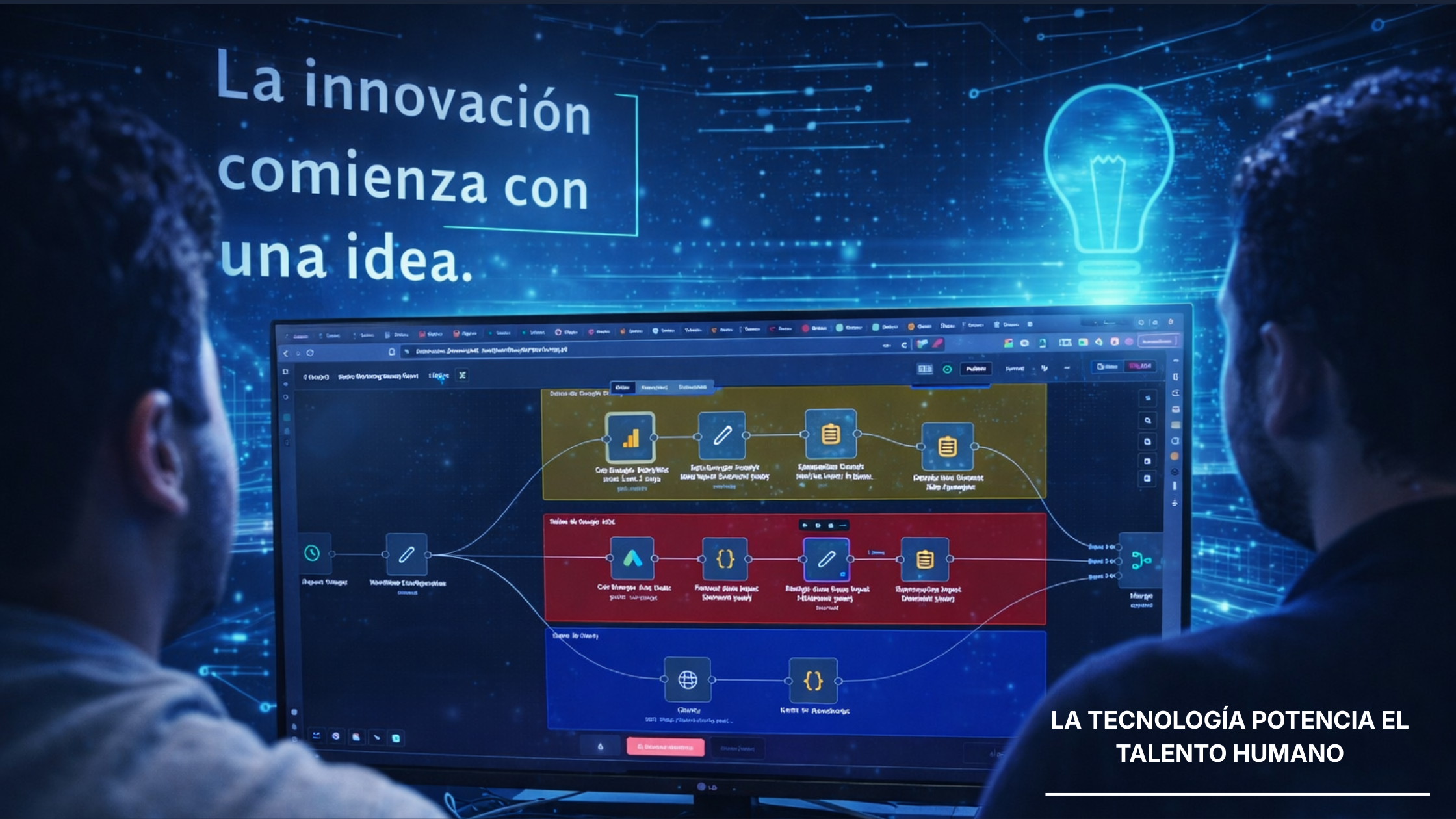
Automation is one of the fundamental pillars of digital transformation. It’s not merely about modernizing processes, but building a technological structure that allows competing in increasingly demanding markets. Companies that automate not only optimize their operation, but become more organized, agile, and better prepared for the future.
Automating a business means implementing strategic technology to optimize processes, reduce errors, and improve the overall efficiency of the business. It is not a luxury or a passing fad. It is a smart investment that enables ordered, competitive, and sustainable growth in an increasingly digital business environment.